Tag: Financial Modelling

The Monte Carlo Method of VaR Estimation

The Monte Carlo Method of VaR Estimation

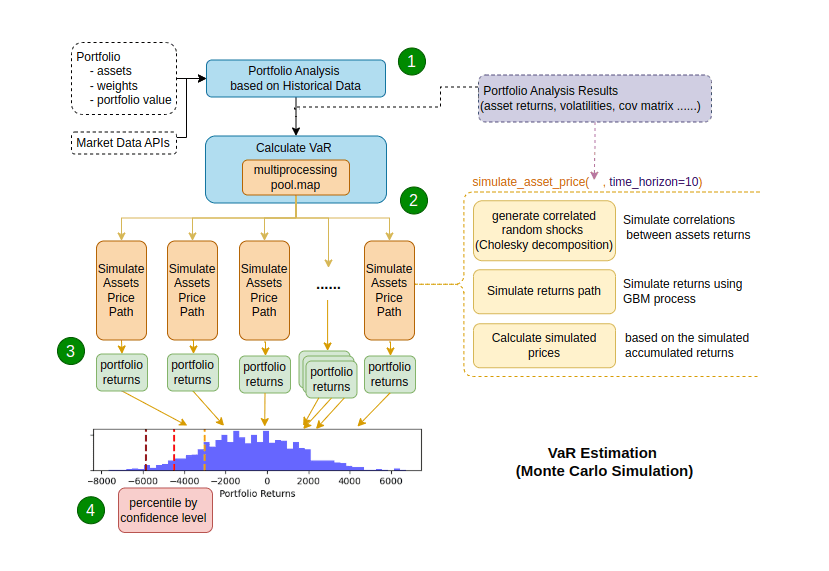
In the previous blog post, we explored the Parametric Method for estimating Value at Risk (VaR). While the parametric method offers the advantage of optimal computational efficiency, it relies on strict assumptions, particularly that returns follow a specific distribution (e.g., normal distribution). For complex portfolios, nonlinear instruments, and scenarios where flexibility and precision are critical, the parametric method may not be suitable. In such … Continue reading The Monte Carlo Method of VaR Estimation
The Parametric Method of VaR Estimation

The Parametric Method of VaR Estimation

In the previous blog post, we explored the Historical Method of VaR Estimation. The historical method is simple and intuitive; however, it relies on the assumption that financial markets will repeat historical patterns, disregarding structural changes in market conditions. This limitation makes the historical method less practical in real-world scenarios. In this blog post, I will … Continue reading The Parametric Method of VaR Estimation

VaR Overview and the Historical Method

VaR Overview and the Historical Method

Value at Risk (VaR) is arguably the most widely used metric for risk management. It quantifies the potential loss in the value of a portfolio over a certain period. In this blog post, I will first provide an overview of VaR, clarifying its definition and discussing its advantages and disadvantages. Then, I will implement Python code … Continue reading VaR Overview and the Historical Method

Riding the Yield Curve with QuantLib

Riding the Yield Curve with QuantLib

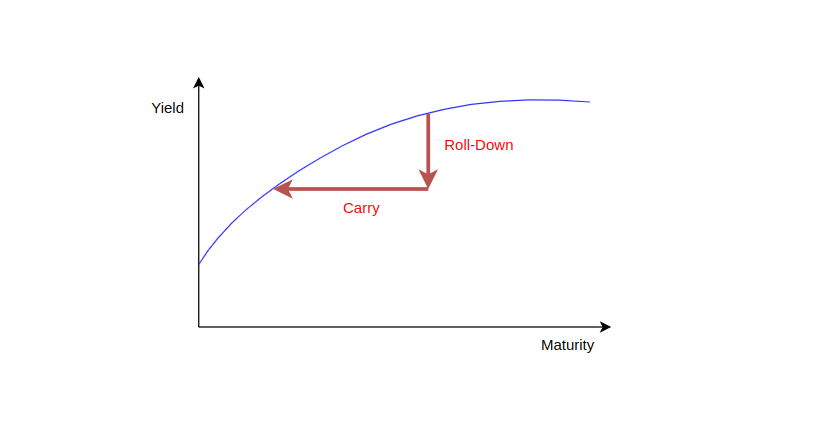
"Riding the Yield Curve" is the topic covered in the CFA Fixed Income, Module 1, Section 3, "Active Bond Portfolio Management". In this blog post, I will simulate the approach discussed in the CFA curriculum with the support of the QuantLib library. "Riding the Yield Curve", also known as "Rolling Down the Yield Curve", is … Continue reading Riding the Yield Curve with QuantLib

Futures Options Pricing with Black Model

Futures Options Pricing with Black Model

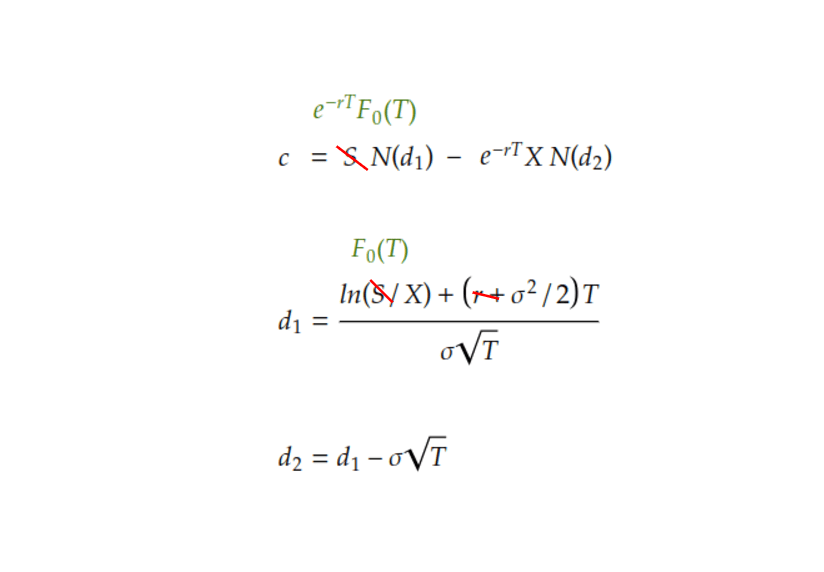
In the last blog post, we explored the Black-Scholes-Merton model and learned that it is the industry standard for pricing option contracts. However, the BSM model is designed for options on stocks and similar spot market assets, and it is not directly applicable for pricing futures options contracts, mainly due to the following differences between … Continue reading Futures Options Pricing with Black Model

Black-Scholes-Merton (BSM) Model

Black-Scholes-Merton (BSM) Model

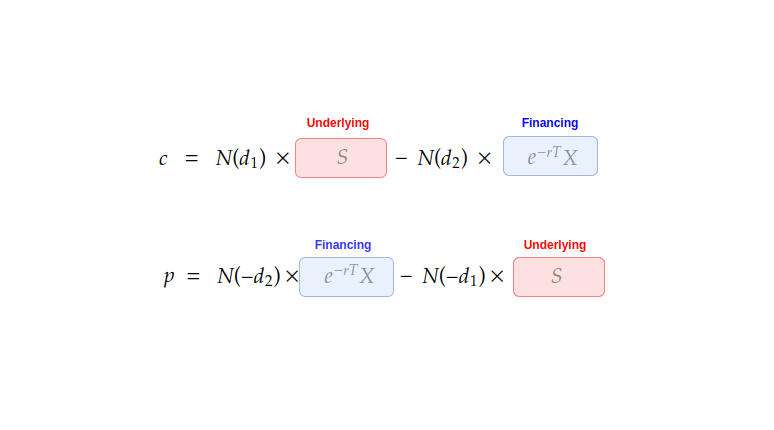
In the previous blog post, we saw that the binomial model closely approximates option prices as the number of periods increases. The binomial model is known for its flexibility, intuitiveness, and fewer assumptions. So, why do we still need the Black-Scholes-Merton (BSM) model for option pricing, especially given its restrictive assumptions? One of the main … Continue reading Black-Scholes-Merton (BSM) Model

Options Pricing with Multi-period Binomial Model

Options Pricing with Multi-period Binomial Model

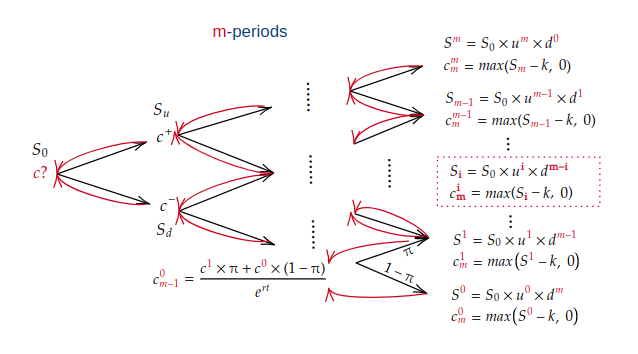
With the foundational concepts introduced in the previous blog post on the one-period binomial model, along with the path tracing and backward induction covered in the post on the two-period binomial model, we can now move to the multi-period binomial model, which is applicable to real-world scenarios. Once you understand how the one-period and two-period … Continue reading Options Pricing with Multi-period Binomial Model

Bond Futures Pricing

Bond Futures Pricing

In this blog series, I will aim to code the formulas and model algorithms covered in the CFA Level 2 program using Python and DolphinDB. Each topic will begin with a brief explanation of the formulas or algorithms, followed by their implementations in Python and DolphinDB. Bond futures are financial contracts that obligate the buyer … Continue reading Bond Futures Pricing

Forward Contract Pricing & Valuation

This blog post focuses on pricing and valuing forward contracts for underlying assets with or without carry costs and benefits, as well as pricing stock index forward contracts. In this blog series, I will aim to code the formulas and model algorithms covered in the CFA Level 2 program using Python and DolphinDB. Each topic … Continue reading Forward Contract Pricing & Valuation